Sacred Flame

    Sacred Archive

    A research platform for seekers and scholars. Explore sacred texts, cross-reference philosophical concepts, and study the timeless wisdom of humanity's spiritual traditions.

    Wisdom for Wednesday
    "But if he wish to settle with you, being a craftsman, let him work, and so eat; but if he know not any craft, provide ye according to your own discretion, that a Christian may not live idle among you."
    Didache·Chapter XII
    Read the Full Text

    Audio Narrations

    Listen to beautifully narrated texts with synchronized highlighting for immersive study.

    Curated Library

    Explore texts and quotes from Buddhism, Sufism, Taoism, Stoicism, and more.

    Connected Wisdom

    Discover cross-references between concepts and traditions to deepen your understanding.

    Featured Texts

    Begin your journey with these timeless works

    ChristianityDidache

    Didache

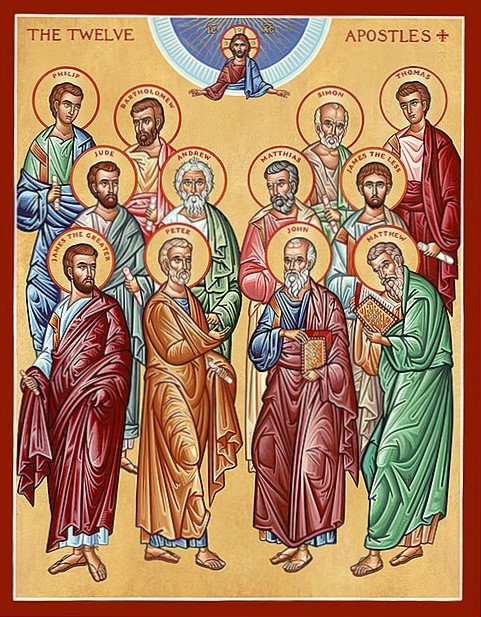
    The Didache, or “The Teaching of the Twelve Apostles,” is an early Christian document dating to the first century. The text begins with a discussion of the “Two Ways,” contrasting the path of life, characterized by love of God and neighbor, with the path of death, marked by sin and vice. The Didache also includes instructions for rituals such as baptism, Eucharist, fasting, and prayer, stressing the importance of communal worship and the proper conduct of Christian leaders. The text is valued for its insights into early Christians’ ethical and liturgical practices, reflecting a community striving to live according to Jesus’s teachings.
    Read Quotes
    ChristianityAdornment of the Spiritual Marriage

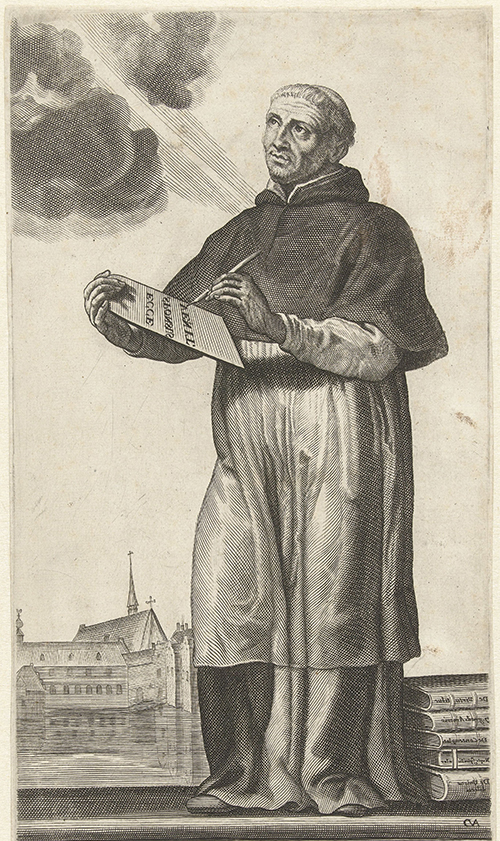
    Adornment of the Spiritual Marriage

    The Adornment of the Spiritual Marriage by Jan van Ruusbroec (1293-1381), a monk, writer, and mystic, outlines a mystical journey of the soul’s union with God, with Christ as the Bridegroom. Ruusbroec describes this path through stages of virtue—humility, charity, obedience, and others—emphasizing both active and contemplative practices. Through cultivating a pure heart and soul, individuals strive to achieve unity with God, guided by these principles. This journey ultimately aims at divine oneness, reflecting Ruusbroec’s profound contributions to Christian mysticism.
    Read Full Text
    Greek ClassicsGolden Verses of Pythagoras

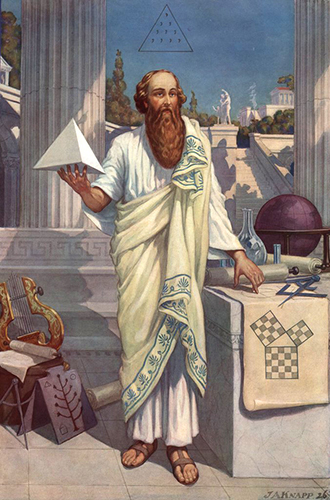
    Golden Verses of Pythagoras

    The Golden Verses of Pythagoras is a collection of moral exhortations that outline a path to a virtuous and fulfilling life. It emphasizes reverence for the gods, heroes, and familial respect, while encouraging friendships with virtuous individuals. Self-discipline is paramount, urging the control of passions like gluttony, sloth, and anger. Justice, reason, and self-respect are core tenets, with a call to avoid evil deeds and to act thoughtfully. Physical health is to be maintained through moderation and a balanced lifestyle. Reflection on daily actions is recommended to foster personal growth. The text advocates for an understanding of the divine and human nature, acceptance of fate, and avoidance of unnecessary strife. By following these principles, one can attain spiritual purity, wisdom, and ultimately transcend mortal limitations, achieving a state of immortality and incorruptibility.
    Read Quotes
    Greek ClassicsElements of Theology

    Elements of Theology

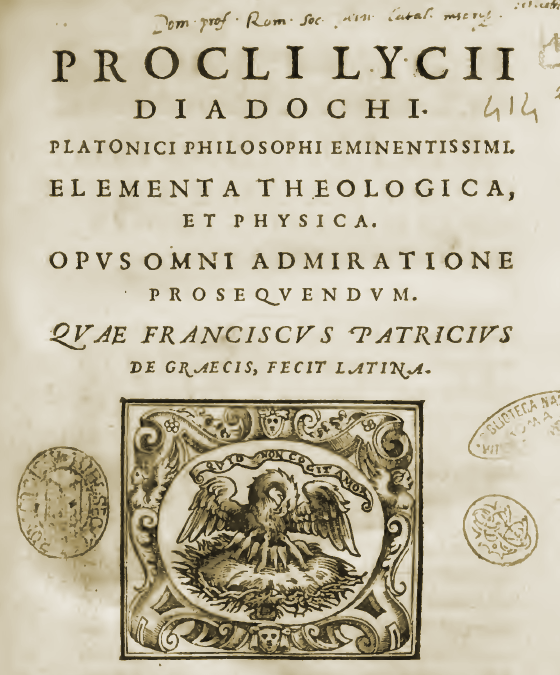
    ProclusElements of Theology is a seminal work in Neoplatonic philosophy, composed around 450 CE. Structured as a series of 211 propositions, each accompanied by a proof, the text systematically explores the hierarchical structure of reality, beginning with the concept of the One—the ultimate principle of unity and source of all existence. Proclus delineates the process of emanation from the One, through successive levels of reality, including the divine intellect (Nous), the World Soul, and individual souls, culminating in the material world. This framework illustrates how multiplicity arises from unity and how all entities participate in the Good. The Elements of Theology has profoundly influenced both Eastern and Western philosophical traditions. Notably, its ideas permeated medieval thought through the Liber de Causis, an Arabic adaptation erroneously attributed to Aristotle, which was later recognized as a summary of Proclus’ work. The text remains a cornerstone for understanding Neoplatonic metaphysics and its enduring impact on subsequent philosophical and theological discourse.
    Read Full Text
    ApocryphaGospel of Mary

    Gospel of Mary

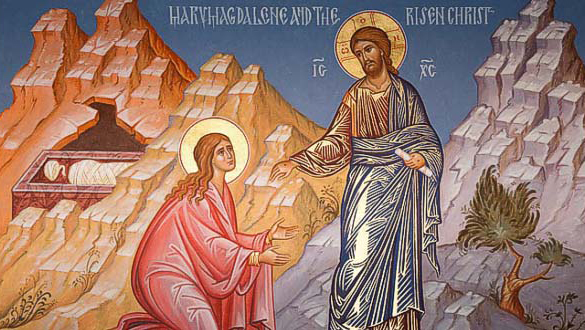
    The Gospel of Mary, an early Christian Gnostic text discovered in the late 19th century, centers on a dialogue between Mary Magdalene and the other disciples of Jesus after his resurrection. In this text, Mary Magdalene is presented as a leading disciple, uniquely understanding Jesus's teachings. The text explores the nature of the soul, spiritual salvation, and the process of achieving gnosis or direct knowledge of God. Mary describes a vision she had of Jesus, who imparts teachings on the ascent of the soul past hostile powers seeking to hinder its progress towards eternal life. It also contains discussions about the errors of religious hierarchies and the value of personal, experiential knowledge of the divine. The Gospel of Mary challenges conventional gender and authority structures, emphasizing the equal worth of all followers of Christ's teachings.
    Read Quotes
    KabbalahJewish Mysticism

    Jewish Mysticism

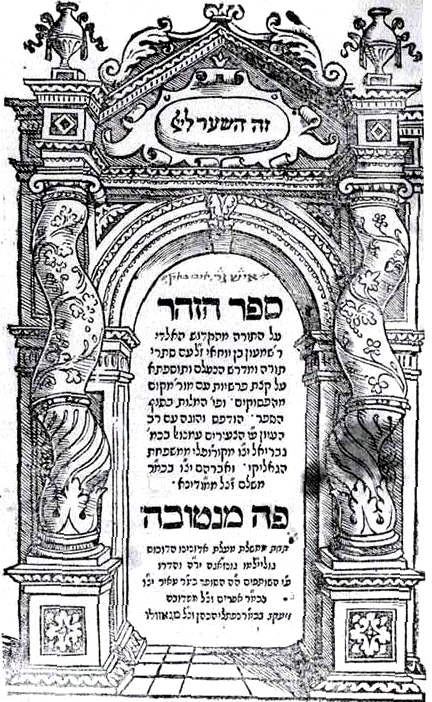
    Jewish Mysticism challenges the misconception that Judaism and mysticism are incompatible, asserting that mysticism has deep roots in Jewish history, dating back to the Old Testament. It highlights the balance mysticism brings to Judaism, emphasizing inward spirituality and divine connection alongside legalistic practices. The text explores mystical experiences and teachings, such as the Ten Sefirot and the Merkabah, which symbolize paths to divine presence. It delves into esoteric wisdom, the role of angels and the Divine Word, and the soul’s journey towards union with the divine. The Zohar, a key Kabbalistic text, is discussed for its rich theological framework. Overall, this text on Jewish Mysticism reveals how mysticism enriches Judaism by highlighting the pursuit of direct, personal experiences with the divine, balancing the external observances with an inner spiritual quest.
    Read Quotes
    View All Texts

    Words of Wisdom

    Bite-sized insights from the world's greatest spiritual traditions

    First worship the Immortal gods, as they are established and ordained by the Law. Reverence the Oath, and next the Heroes, full of goodness and light. Honour likewise the Terrestrial Daemons by rendering them the worship lawfully due to them. Honour likewise your parents, and those most nearly related to you.
    All nature, all things formed, and all creatures exist in and with one another, and they will be dissolved again into their own elements (origins). This is because it is the nature of matter to return to its original elements.
    GOSPEL OF MARY·Chapter 4 Passages 22-23
    Put away your books, be distracted no longer, they are not your portion. Rather, as if on the point of death, reflect like this: you are an old man, suffer this governing part of you no longer to be in bondage, no longer to be a puppet pulled by selfish impulse, no longer to be indignant with what is allotted in the present or to suspect what is allotted in the future.
    Now if any one would search the divine ground, that is, the divine revelation, he must first consider with himself for what end he desires to know such things.
    KEY OF JACOB BOEHME·Preface To The Reader Of These Writings
    For there are many that seek Mysteries and hidden knowledge, merely that they might be respected and highly esteemed by the world, and for their own gain and profit.
    KEY OF JACOB BOEHME·Preface To The Reader Of These Writings
    Dimensions are limitless; time is endless. Conditions are not invariable; terms are not final. Thus, the wise man looks into space, and does not regard the small as too little, nor the great as too much; for he knows that there is no limit to dimension. He looks back into the past, and does not grieve over what is far off, nor rejoice over what is near; for he knows that time is without end. He investigates fulness and decay, and does not rejoice if he succeeds, nor lament if he fails; for he knows that conditions are not invariable. He who clearly apprehends the scheme of existence does not rejoice over life, nor repine at death; for he knows that terms are not final.
    MUSINGS OF A CHINESE MYSTIC·The Doctrine of Relativity
    Weekly Wisdom

    Receive Timeless Insights

    Join thousands of seekers receiving curated wisdom from the world's sacred traditions.